
Institutional statement in solidarity with the people of Ukraine
Agreement approving an institutional statement in solidarity with the citizens of Ukraine.
Saltar al contingut Saltar a la navegació Informació de contacte

Agreement approving an institutional statement in solidarity with the citizens of Ukraine.
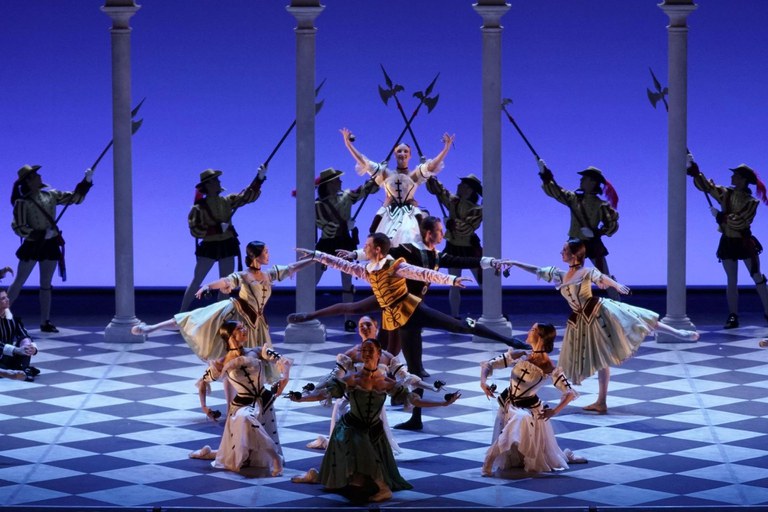
Centenary Antonio Ruiz Soler will open the 26th edition of the Festival de Jerez on February 17th. Ballet Nacional de España will be accompanied by the Orquesta Bética de Cámara, conducted by Manuel Coves, and soprano Maribel Ortega.
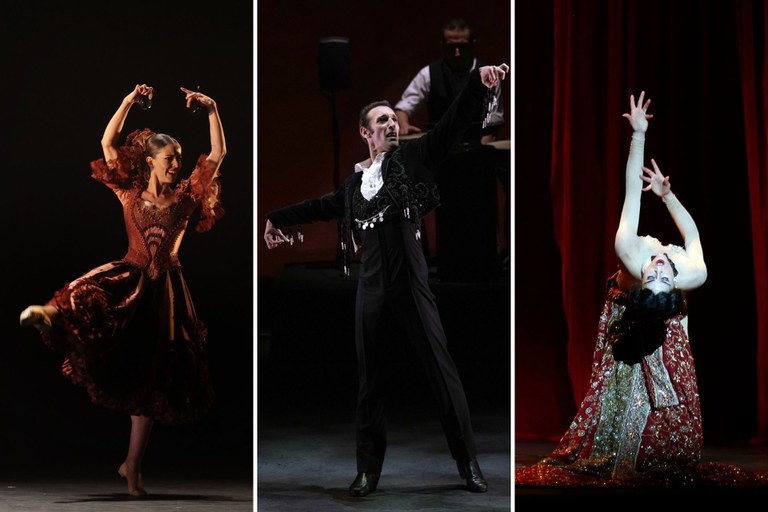
The Ballet Nacional de España begins 2022 with a busy schedule of performances planned for the three programs premiered so far under the direction of Rubén Olmo: Invocación, La Bella Otero, and Centenary Antonio Ruiz Soler. Pending confirmation of several additional national and international tours, the BNE will perform until summer 2022 in Dubai, Valencia, Seville, Jerez de la Frontera in Cádiz, Logroño, and Torrejón de Ardoz in Madrid.
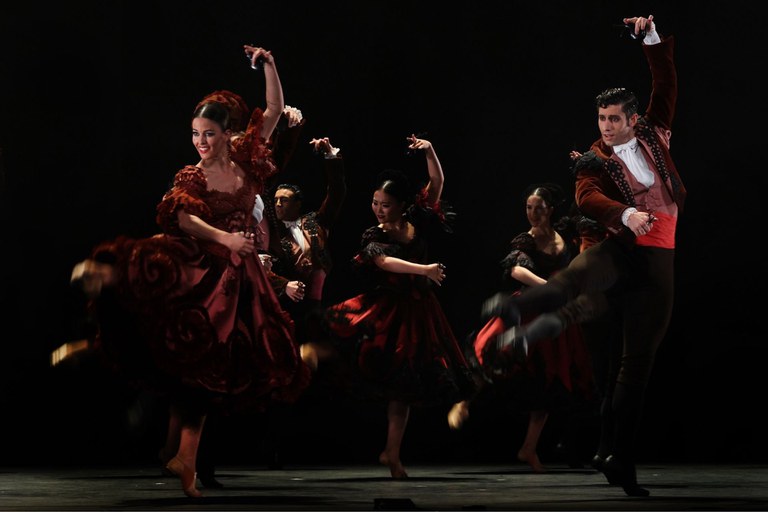
The richness of the different styles of Spanish dance will travel to the United Arab Emirates through 'Invocación¡, the program we will perform on February 2nd, Spain Day, on the Jubilee Stage at the Expo 2020 Dubai site. Our director, Rubén Olmo, will also perform the solo 'Jauleña' in Al Wasl Plaza. The Ballet Nacional de España thus joins the wide-ranging cultural program organized by the Spain Pavilion and Acción Cultural Española (AC/E) to promote Spanish culture and Spain's image abroad as part of this international event, which runs until March 31st, 2022.
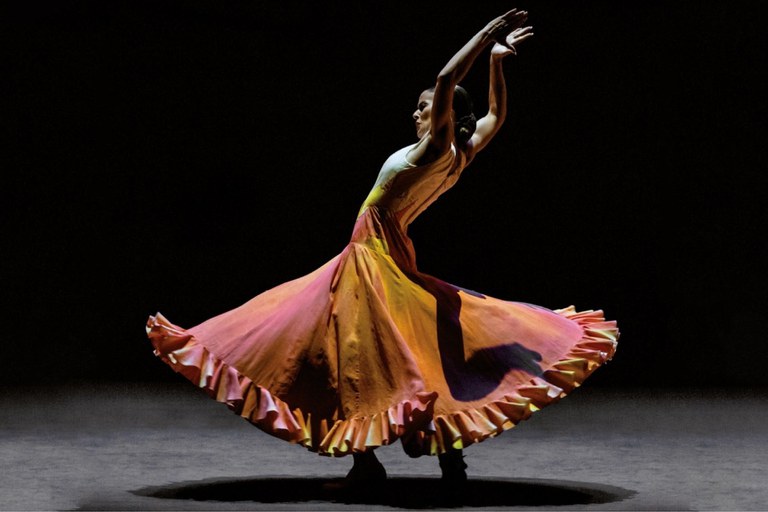
INAEM informs audiences that, during the month of December, the following partial strikes have been called at the National Theatres and may affect the programming of our artistic creation units:
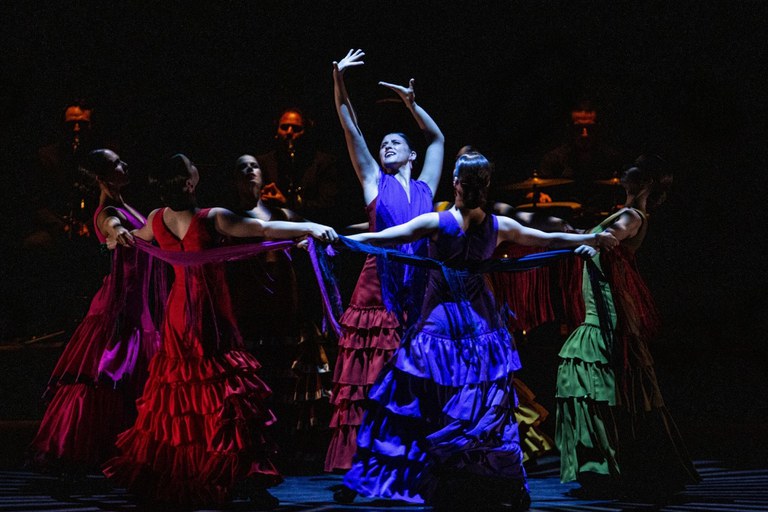
'De lo flamenco. Tribute to Mario Maya' is one of the works included in 'Invocación', a program that will be performed from December 10th to 22nd at the Teatro de la Zarzuela in Madrid. The program is completed by three choreographies that showcase the richness of Spanish dance styles: 'Invocación bolera' and 'Jauleña', by Rubén Olmo, and 'Eterna Iberia', by Antonio Najarro.
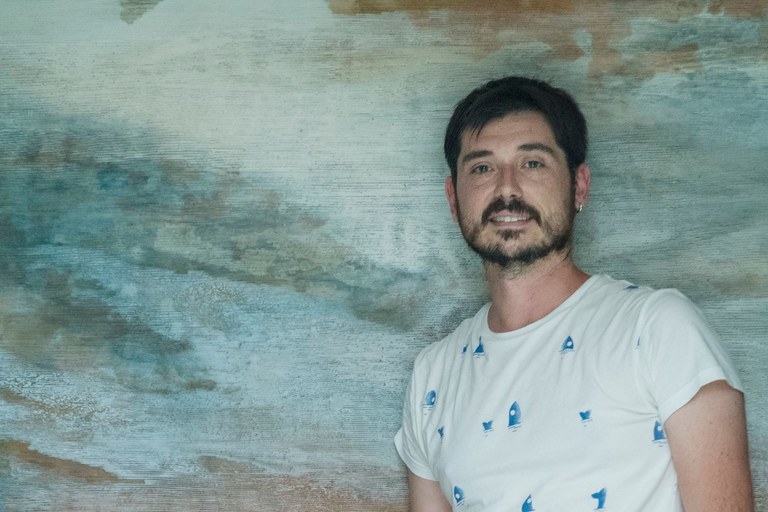
Dancer and choreographer Jon Maya (Errenteria, 1977) considers himself first and foremost a dantzari, a person trained in traditional dance. And with these foundations, rooted in tradition, he has woven a career that has taken him from the Ereintza dance group, where he began dancing at the age of six, to creating and directing the company Kukai Dantza since 2002. With the aim of creating contemporary shows based on traditional Basque dance, and through encounters with other creators, disciplines and fields, he has toured the world with his works, which in the future will have a flamenco accent.
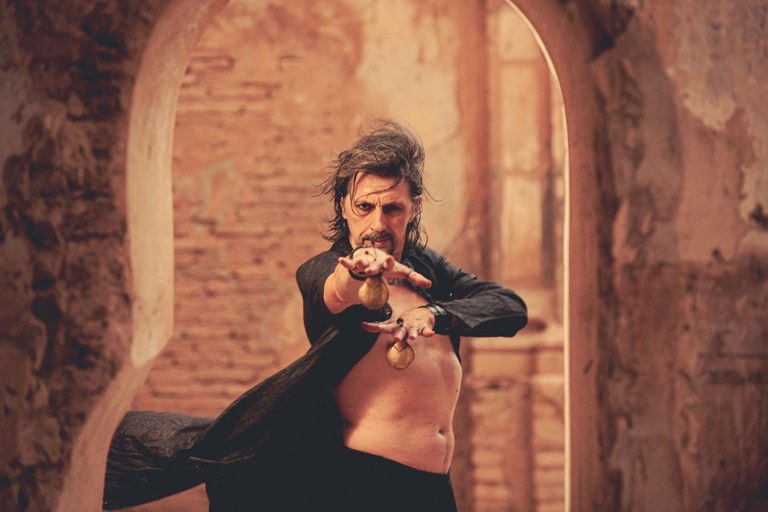
Nothing defines him better than 'Berna se escribe con jota', the title of one of the works by Aragonese dancer and choreographer Miguel Ángel Berna. He began dancing this traditional form at the age of eight and, although he has trained in other disciplines such as classical dance, contemporary dance and flamenco, the jota remains at the heart of his work, both in the projects developed with his company Danza Viva and in those created with other artists. From November 17th to 19th, 2021, he will share with the dancers of the Ballet Nacional de España the essence of his choreographic language and his work to include the jota in new stage creations, in one of the #BNEenMovimientoPerpetuo workshops scheduled this November on the updating of traditional dances.

A dancer’s nutrition affects their professional career, as well as their physical and emotional well-being. For this reason, dietitian-nutritionist and contemporary dance educator Raquel Santacruz has given a talk to the dancers of the Ballet Nacional de España, which will be complemented by individual consultations with each of them. With experience in various Spanish companies such as Centro Coreográfico Gallego, La Quebrá, Otra Danza, and Teatro del Velador, and studies at the Centro Andaluz de Danza and Jennifer Muller’s The Works, she applies her knowledge of nutrition and dietetics to helping dancers like herself improve their diet.
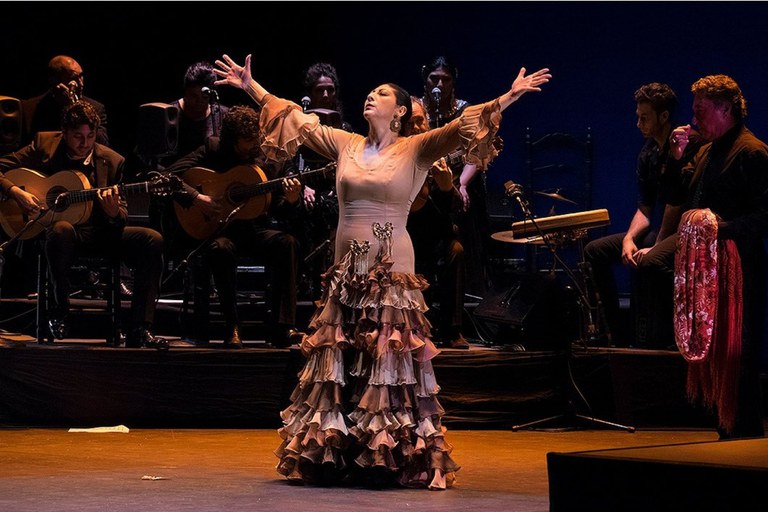
On November 16, the Spanish National Ballet will share a masterclass by Manuela Carrasco on its social media channels to commemorate Flamenco Day. This day has been celebrated since 2011 in memory of the date on which UNESCO declared flamenco Intangible Cultural Heritage of Humanity. The workshop on bulerías and jaleos, followed by a conversation between the bailaora and director Rubén Olmo, can be watched live from 1:45 p.m. on the Spanish National Ballet’s Facebook, YouTube, and Twitter channels.
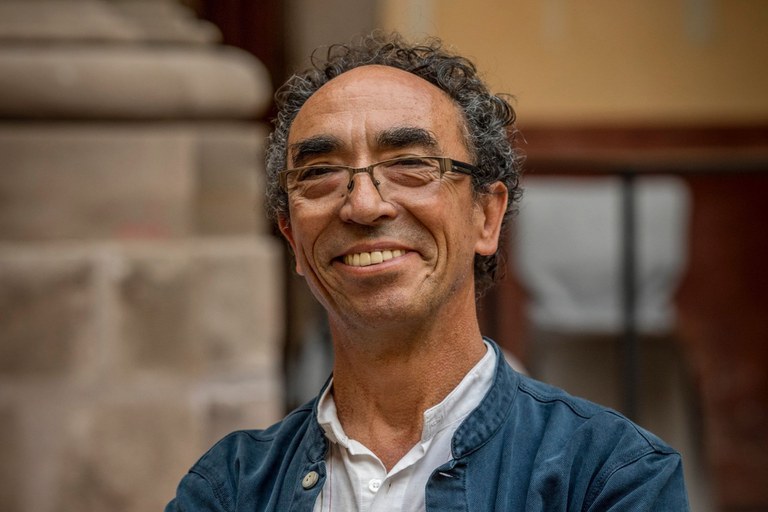
Choreographer, dancer and director of the company Ibérica de Danza Manuel Segovia will lead the first of the #BNEenMovimientoPerpetuo choreography workshops devoted to updated folklore from November 3rd to 5th, 2021. Winner of the 2001 National Dance Award for Creation, he has a multifaceted training background — studying music, classical guitar, traditional dance, classical ballet, flamenco and Spanish dance at the Ballet Nacional de España School, among other centres — and a wide-ranging career that began at the Teatro de la Zarzuela and has developed in the field of reworked folklore, leading him to create his own authorial language based on traditional Spanish dance.
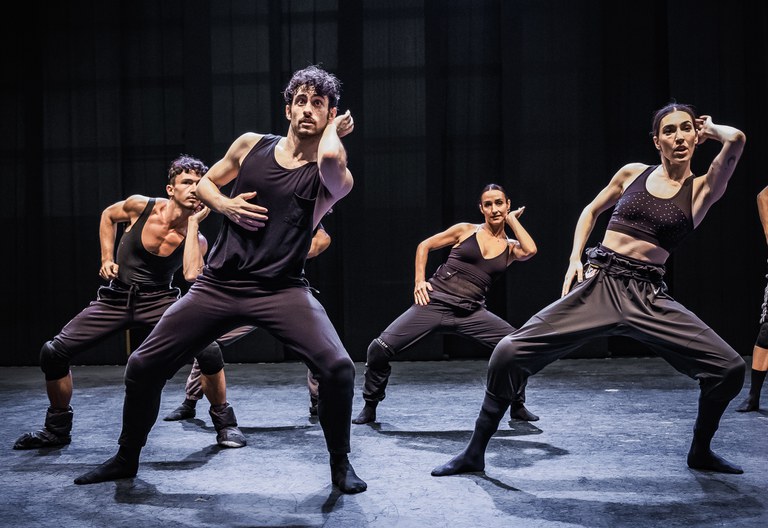
The reinvention of traditional dances from a contemporary perspective is the path taken by some dancers and choreographers in what is known as neofolk. As part of his commitment to the ongoing training of the Ballet Nacional de España’s dancers, director Rubén Olmo has invited Manuel Segovia, Miguel Ángel Berna, and Jon Maya to give three choreography workshops during the month of November.
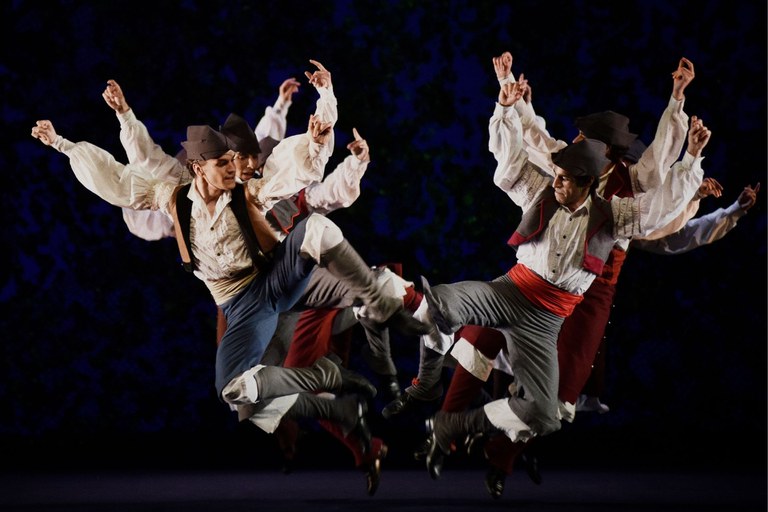
On November 4th, 2021, Antonio Ruiz Soler, better known as Antonio el Bailarín, would have turned 100. To commemorate the figure of the dancer, choreographer, and director who most profoundly shaped the evolution of Spanish dance — and whose death also marks its 25th anniversary — the Ballet Nacional de España, directed by Rubén Olmo, has prepared a program bringing together four choreographies that represent the height of Antonio’s talent and two others that follow in the path marked by his style.
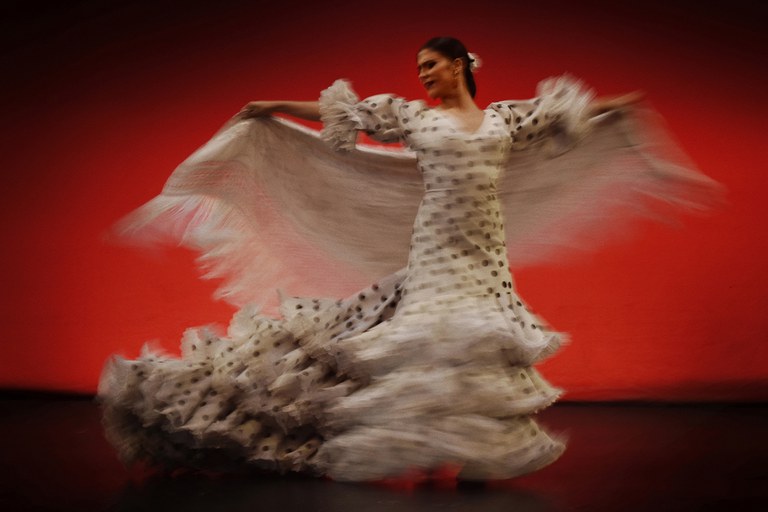
The Ballet Nacional de España will give four performances of 'Centenary Antonio Ruiz Soler' from October 13th to 16th, 2021. The program consists of Antonio’s choreographies in stylized flamenco, folklore, and escuela bolera, as well as works by Rubén Olmo, Miguel Ángel Corbacho, and Carlos Vilán inspired by his style.
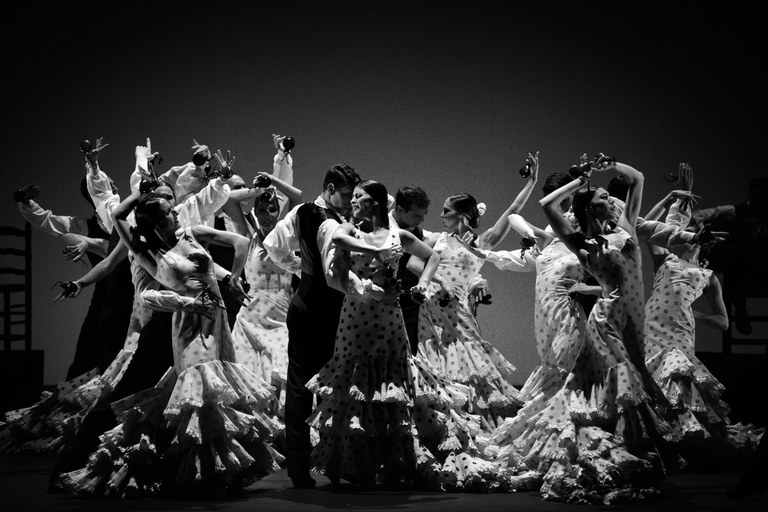
Under the direction of Rubén Olmo, the Ballet Nacional de España will continue its return to normal activities during the 2021/2022 season, performing three different programmes in various cities across Spain.
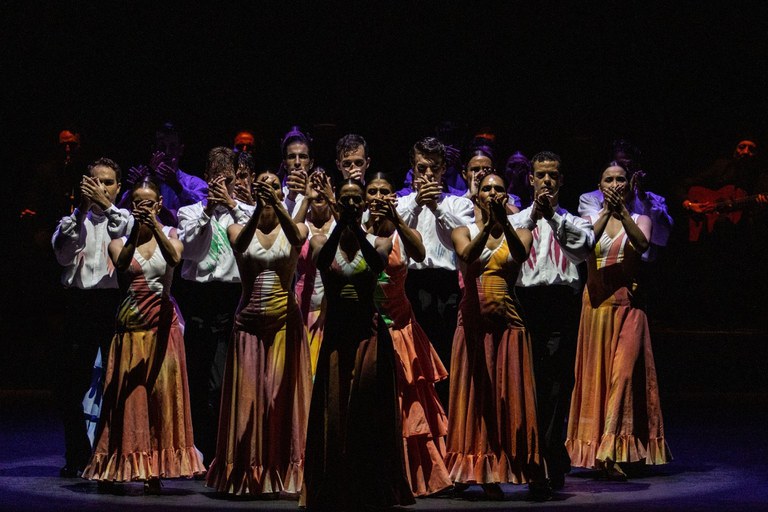
On 7th August, the Ballet Nacional de España will offer audiences at the 70th Santander International Festival (FIS) a comprehensive overview of almost every style of Spanish dance. The company, directed by Rubén Olmo, will perform the programme 'Invocación', which premiered in 2020 and with which it has since toured various Spanish cities. This programme includes a tribute to Mario Maya, one of the pioneers of flamenco theatre in Andalusia. “It is a very comprehensive programme in which you can enjoy flamenco full of life and energy on stage, a ballet of the purest stylised dance, and one of the few recent choreographies in the bolero style,” says Rubén Olmo.
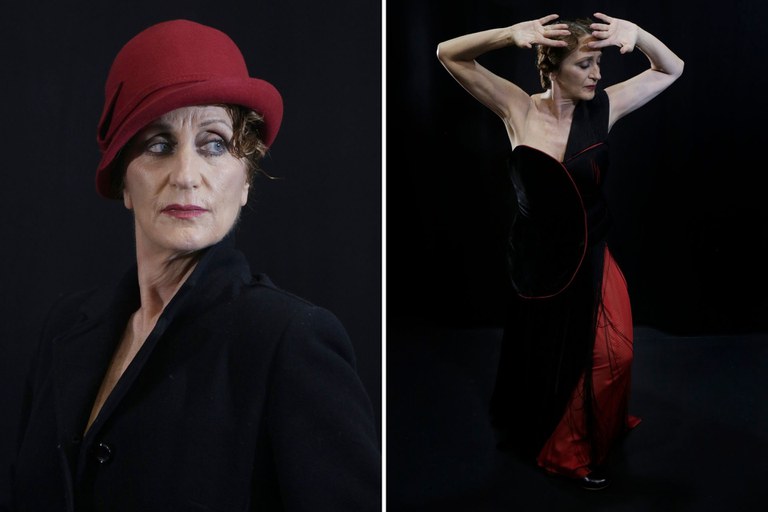
Repetiteur mistress and former first artist of the Ballet Nacional de España, a company she joined under the directorship of Antonio Ruiz Soler, Maribel Gallardo has been 'Medea' and 'La Celestina'. In 'La Bella Otero' she has the role of Madame Otero, the mature Carolina Otero who has to face failure and loneliness.
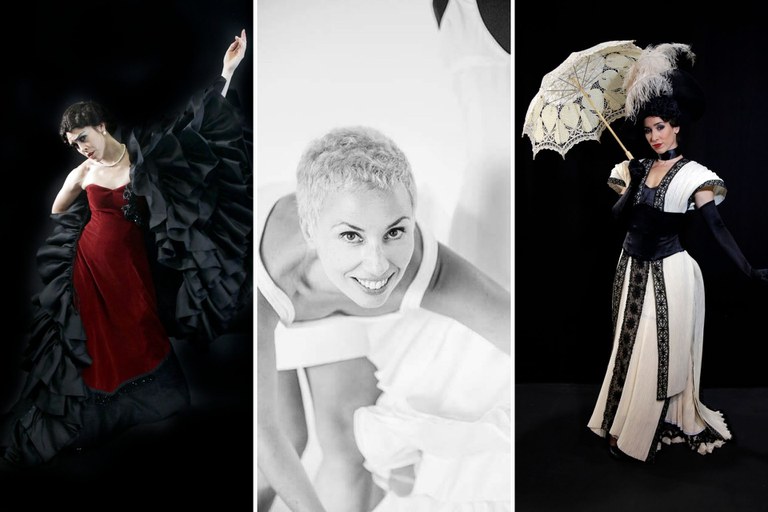
This is not the first time that Yaiza Pinillos designs costumes for Ballet Nacional de España productions but there is no doubt that 'La Bella Otero' has been the best chance to show her studies in History of Art in the fabrics she manipulates so artistically. Specialised in costumes for the performing arts, having also worked for the Centro Dramático Nacional or the Festival de Mérida, her search for references in works of art from each of the periods rather than opting for historical faithfulness, allows a greater freedom and visual support to her designs. This way, she has re-elaborated the iconic image of la Belle Otero as a Byzantine empress to enrichen the scene rather than just making a mere reproduction.
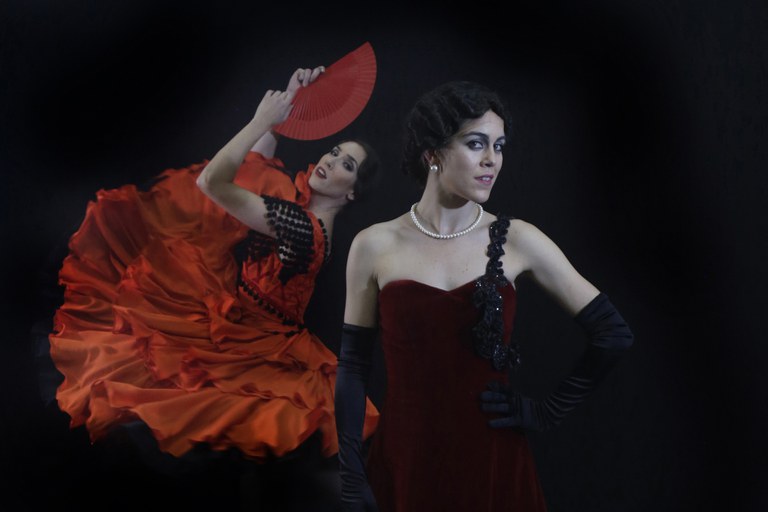
The Ballet Nacional de España will perform 'La Bella Otero' from 7th to 18th July at the Teatro de la Zarzuela in Madrid. This narrative ballet, created and directed by Rubén Olmo, is about the intense life of one of the most famous and influential dancers of the late 19th century, Carolina Otero. A world-famous Spanish artist, her name is known worldwide but her story remains unknown to many. A woman from a small village in Galicia, who invented herself after a tragic event in her childhood. Taking Merimée’s Carmen as a guide, she used men to rise in her artistic career, was admired by European kings, although the only love she fell for was gambling. 'La Bella Otero' is a reflection on abuse, ambition, success, the inability to love and loneliness.
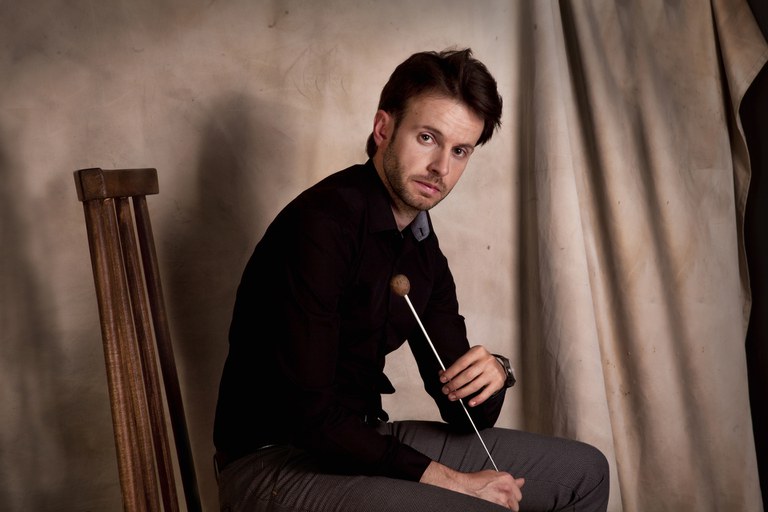
In the original score of 'La Bella Otero' a great diversity of aesthetics co-exists, from Galician folklore to flamenco, a re-reading of the Belle Époque styles and others with avant-garde aspirations. The person in charge of stringing together this music to make a symphonic fabric that includes guitar and flamenco percussion in addition to freestyle folk, is the composer and conductor Manuel Busto. The result of the collaboration between him, Agustín Diassera, Alejandro Cruz Benavides, Rarefolk, Diego Losada, Enrique Bermúdez, Víctor Márquez and Pau Vallet is “unprejudiced music in its conception that does not renounce anything”.