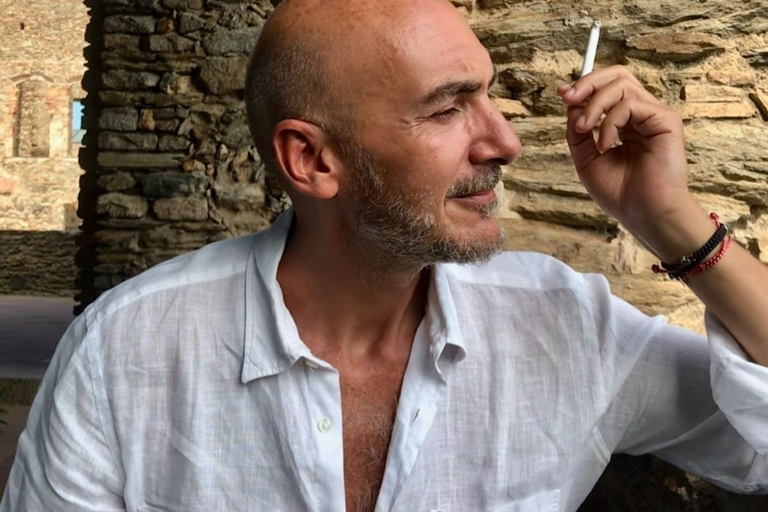
Roberto Fratini: “In Afanador, the game of metamorphoses is more devilish than ever”
Dramaturg and dance theorist Roberto Fratini brings us closer to the dramaturgy process in the production of 'Afanador'.
Saltar al contingut Saltar a la navegació Informació de contacte

Dramaturg and dance theorist Roberto Fratini brings us closer to the dramaturgy process in the production of 'Afanador'.
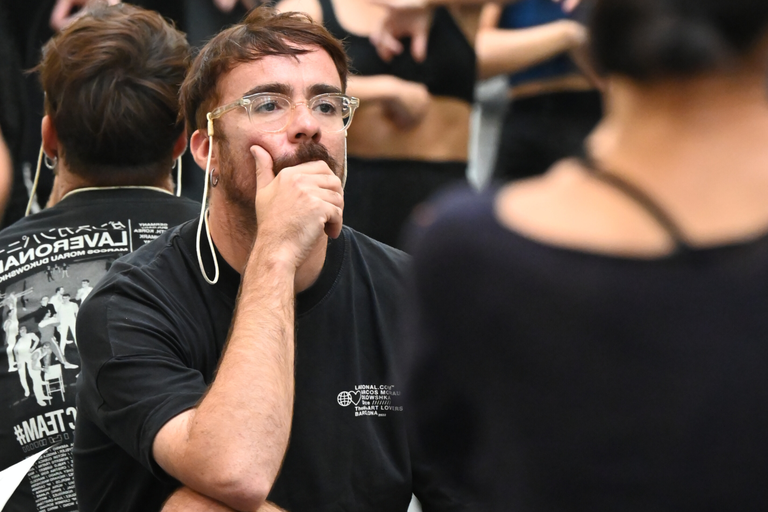
Choreographer and director of La Veronal Marcos Morau opens the door to the Colombian photographer’s imagination with Afanador, the new production by the Ballet Nacional de España.
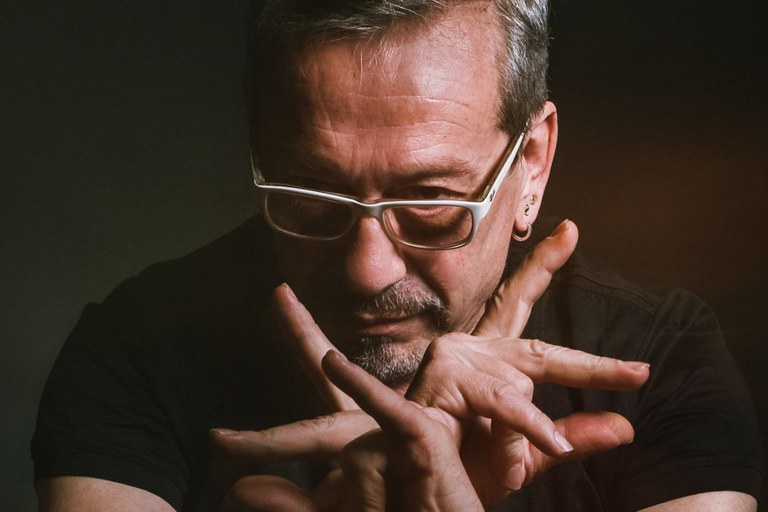
Javier Latorre returns to what was once his home to revive El Loco, one of his last creations for the Spanish National Ballet, 18 years after its premiere at Madrid’s Teatro Real.

Dramaturg and stage director Paco López has the opportunity to once again bring meaning to 'El Loco', in order to reveal the soul and the ghosts that haunted the mind of bailaor Félix Fernández.
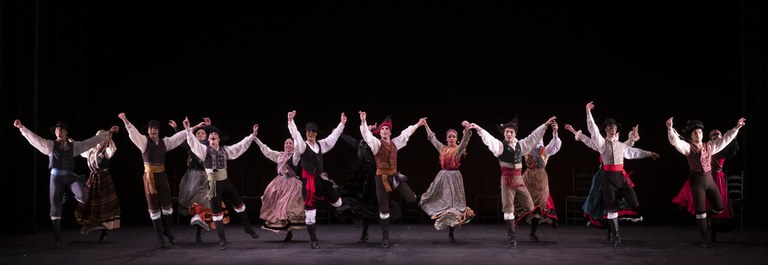
Principal dancer of the Ballet Nacional de España, which he joined in 2002 under the direction of Elvira Andrés. The first choreography he danced with us was 'Fuenteovejuna', by Antonio Gades, a work that inspired him to research traditional dances more deeply. An example of his work is the solo 'Fandango charro', which he performed at the INAEM Gala for Music Day 2020. More recently, on March 11th, 2022, the Larreal company premiered 'Malo será', his choreography stylizing Galician and Huelva dances, created for students of the Mariemma Royal Professional Dance Conservatory in Madrid. In this choreography, Eduardo Martínez moves through stylized folklore, addressing themes such as social hypocrisy, infidelity, female empowerment and rites of passage.
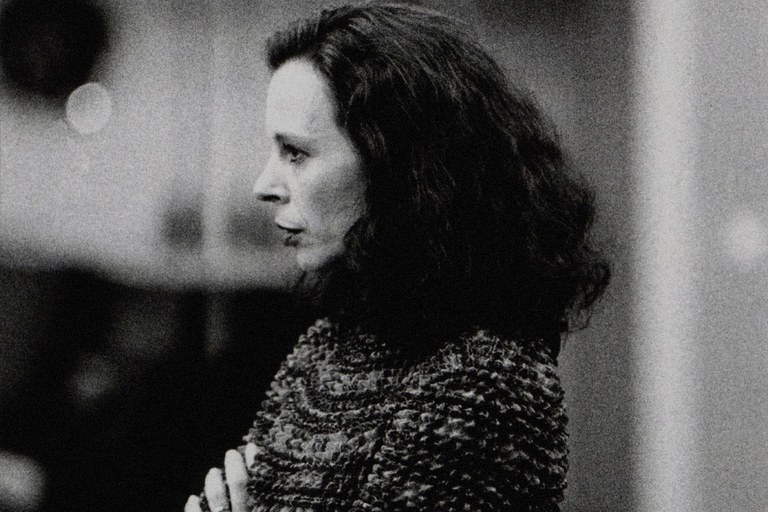
Dancer, choreographer and director of the Ballet Nacional de España from 2001 to 2004, Elvira Andrés’s professional career is linked to essential names in Spanish dance such as Mariemma and Antonio Gades. Since 2006, she has been Professor of Spanish Dance at the María de Ávila Higher Conservatory of Dance in Madrid. To celebrate International Women’s Day, we are sharing her choreography Mujeres in full. With this piece, she won Second Prize at the Madrid Spanish Dance and Flamenco Choreography Competition in 1993. With music by Emilio de Diego and Víctor Manuel Martín, the Ballet Nacional de España premiered this ensemble choreography of stylized dance in 2001.
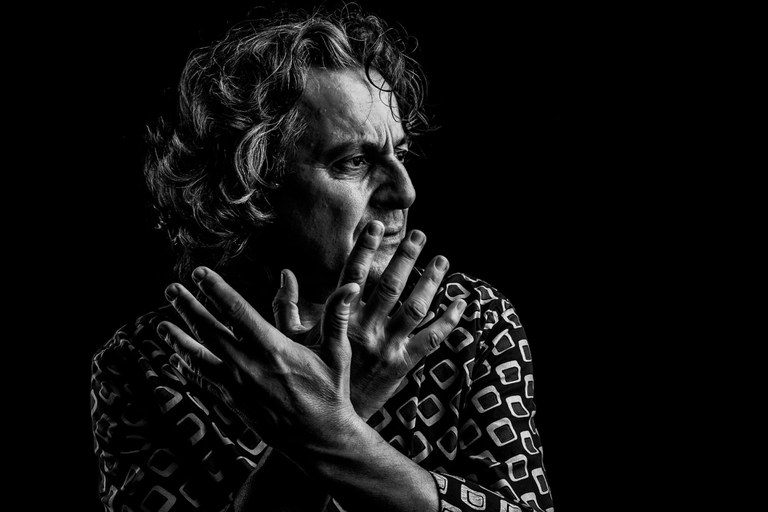
Creator of an elegant style that delves into classicism without getting lost in the superfluous, Javier Barón (Alcalá de Guadaíra, 1963) is one of today’s most renowned flamenco bailaores. Winner of the National Dance Award for Performance in 2008, he has also developed his personal way of understanding dance through the many choreographies he has created for his own company, which he founded in 1997. For these reasons, Rubén Olmo has invited him to direct the restaging with the dancers of the Ballet Nacional de España of 'De mis soleares vengo', a dance por soleá de Alcalá with which he won the Giraldillo Award at the Seville Biennial in 1988.
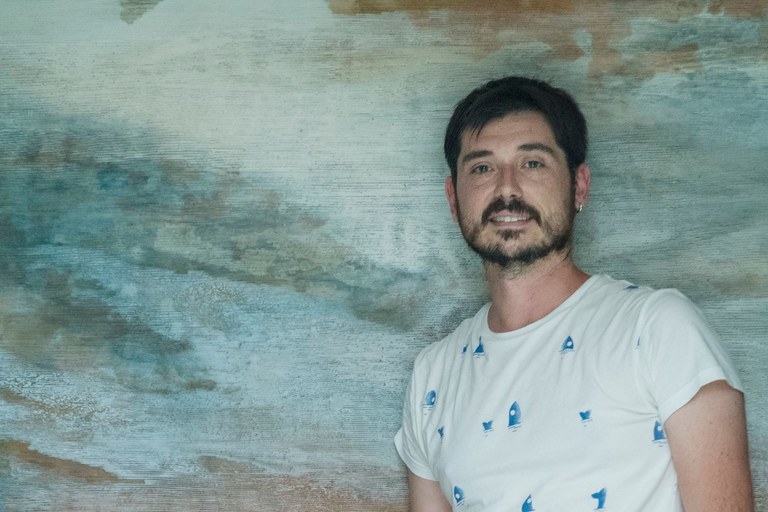
Dancer and choreographer Jon Maya (Errenteria, 1977) considers himself first and foremost a dantzari, a person trained in traditional dance. And with these foundations, rooted in tradition, he has woven a career that has taken him from the Ereintza dance group, where he began dancing at the age of six, to creating and directing the company Kukai Dantza since 2002. With the aim of creating contemporary shows based on traditional Basque dance, and through encounters with other creators, disciplines and fields, he has toured the world with his works, which in the future will have a flamenco accent.
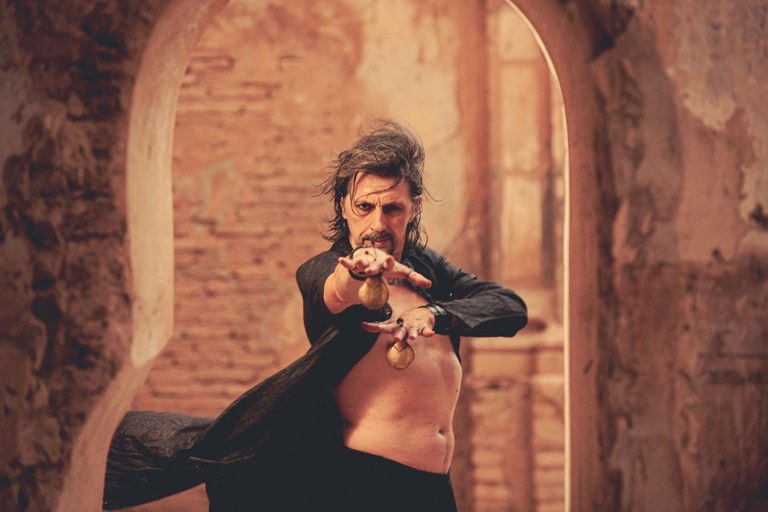
Nothing defines him better than 'Berna se escribe con jota', the title of one of the works by Aragonese dancer and choreographer Miguel Ángel Berna. He began dancing this traditional form at the age of eight and, although he has trained in other disciplines such as classical dance, contemporary dance and flamenco, the jota remains at the heart of his work, both in the projects developed with his company Danza Viva and in those created with other artists. From November 17th to 19th, 2021, he will share with the dancers of the Ballet Nacional de España the essence of his choreographic language and his work to include the jota in new stage creations, in one of the #BNEenMovimientoPerpetuo workshops scheduled this November on the updating of traditional dances.
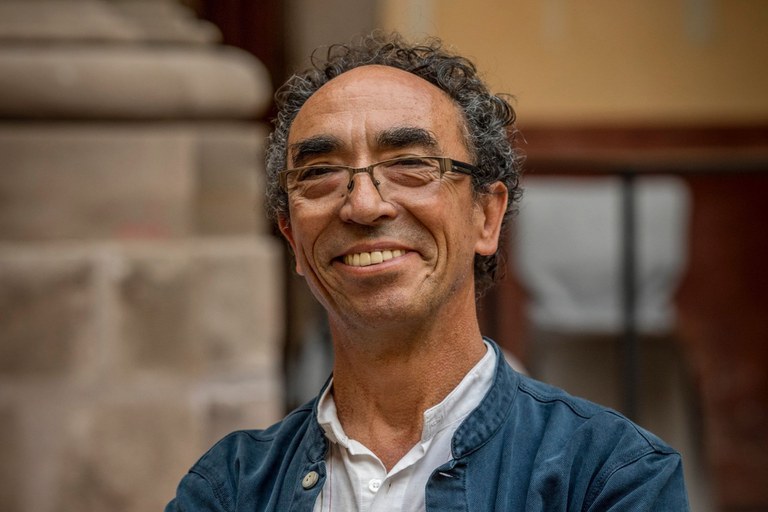
Choreographer, dancer and director of the company Ibérica de Danza Manuel Segovia will lead the first of the #BNEenMovimientoPerpetuo choreography workshops devoted to updated folklore from November 3rd to 5th, 2021. Winner of the 2001 National Dance Award for Creation, he has a multifaceted training background — studying music, classical guitar, traditional dance, classical ballet, flamenco and Spanish dance at the Ballet Nacional de España School, among other centres — and a wide-ranging career that began at the Teatro de la Zarzuela and has developed in the field of reworked folklore, leading him to create his own authorial language based on traditional Spanish dance.
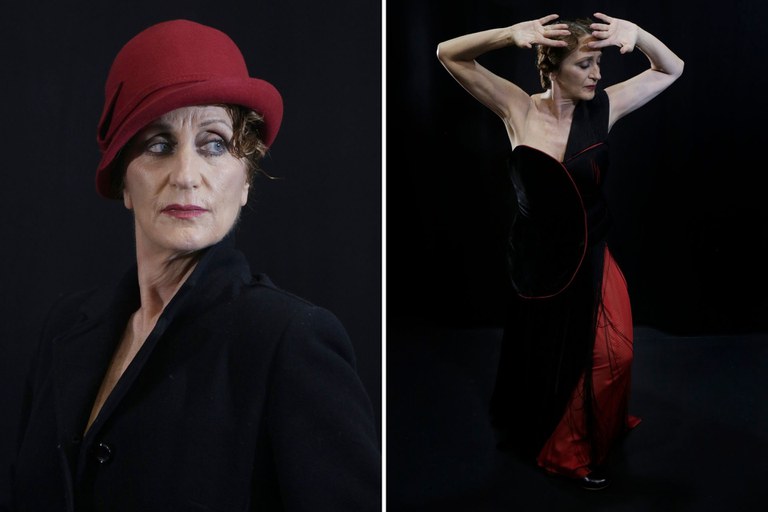
Repetiteur mistress and former first artist of the Ballet Nacional de España, a company she joined under the directorship of Antonio Ruiz Soler, Maribel Gallardo has been 'Medea' and 'La Celestina'. In 'La Bella Otero' she has the role of Madame Otero, the mature Carolina Otero who has to face failure and loneliness.
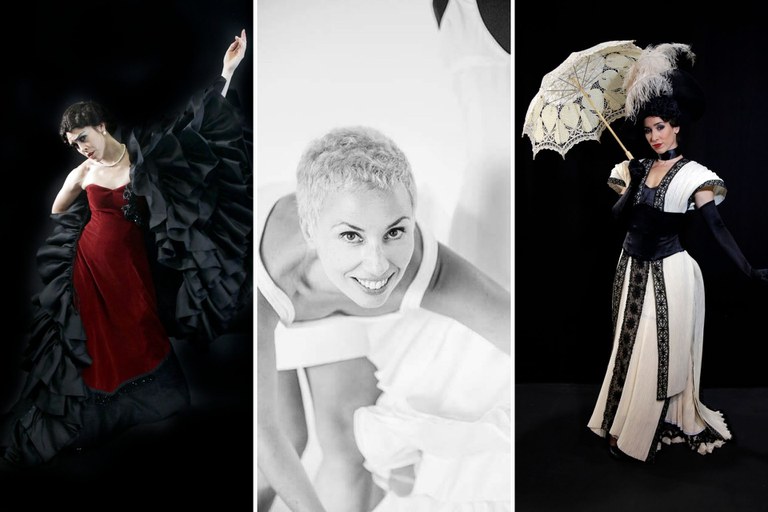
This is not the first time that Yaiza Pinillos designs costumes for Ballet Nacional de España productions but there is no doubt that 'La Bella Otero' has been the best chance to show her studies in History of Art in the fabrics she manipulates so artistically. Specialised in costumes for the performing arts, having also worked for the Centro Dramático Nacional or the Festival de Mérida, her search for references in works of art from each of the periods rather than opting for historical faithfulness, allows a greater freedom and visual support to her designs. This way, she has re-elaborated the iconic image of la Belle Otero as a Byzantine empress to enrichen the scene rather than just making a mere reproduction.
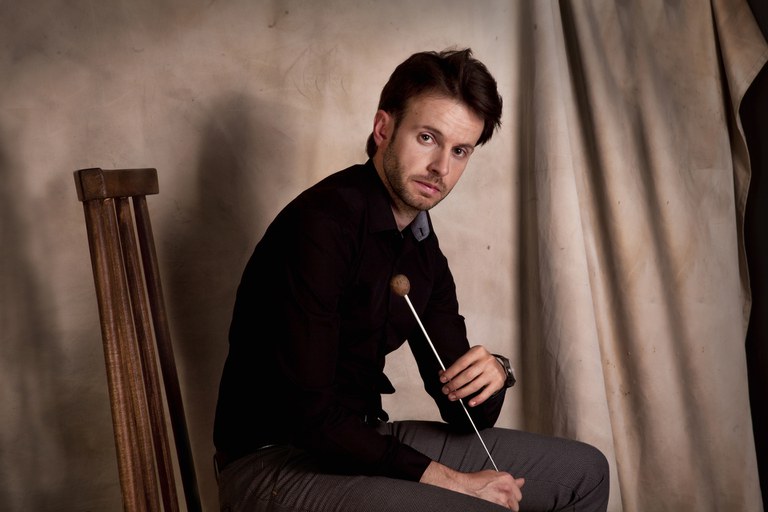
In the original score of 'La Bella Otero' a great diversity of aesthetics co-exists, from Galician folklore to flamenco, a re-reading of the Belle Époque styles and others with avant-garde aspirations. The person in charge of stringing together this music to make a symphonic fabric that includes guitar and flamenco percussion in addition to freestyle folk, is the composer and conductor Manuel Busto. The result of the collaboration between him, Agustín Diassera, Alejandro Cruz Benavides, Rarefolk, Diego Losada, Enrique Bermúdez, Víctor Márquez and Pau Vallet is “unprejudiced music in its conception that does not renounce anything”.
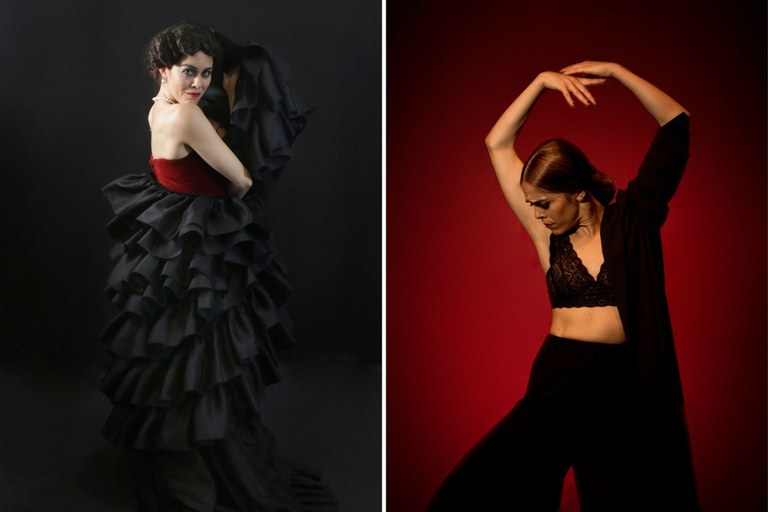
The young Granada dancer Patricia Guerrero is the artist that the Ballet Nacional de España has invited to dance the title role, together with Maribel Gallardo in 'La Bella Otero'. She started dancing when she was 15 years old in Mario Maya’s company and was first artist at the Ballet Flamenco de Andalucía under the directorship of Rubén Olmo. She has been touring the world with her own company for more than 10 years.
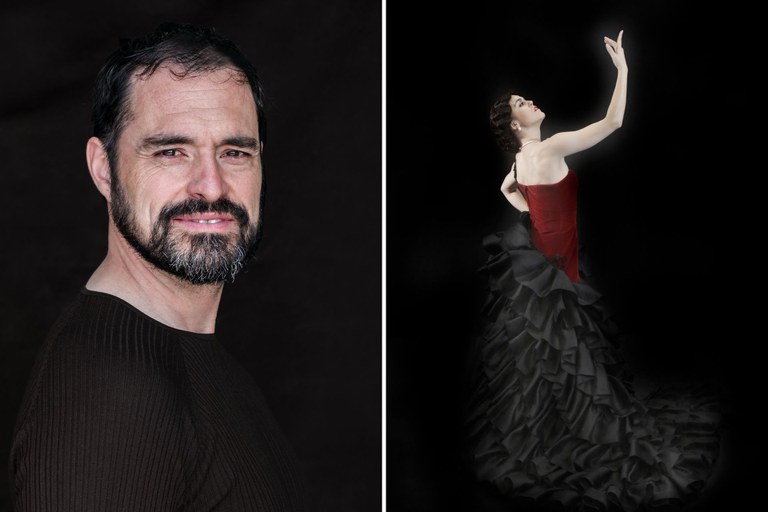
The actor, stage director and dance dramatist Gregor Acuña-Pohl, has written the plot of 'La Bella Otero'. He regularly works with choreographer Johan Inger, having penned Carmen, by the Compañía Nacional de Danza. In his first work for the Ballet Nacional de España, he researched the life of la Belle Otero to tell the audience her story through movement.
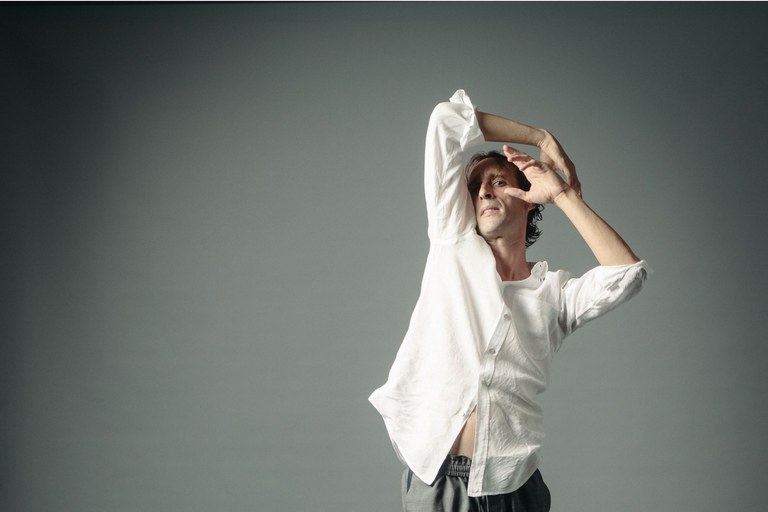
With an eye to rehearsals and the preproduction of the 2021 premieres, plus the preparation of the Invocación tours to start in October, the director of the Ballet Nacional de España, Rubén Olmo, goes over his first season as head of the company, cut short by Covid-19.