Select your language

Saltar al contingut Saltar a la navegació Informació de contacte
Danza española: folclore, flamenco y sentimiento
Madrid
Madrid
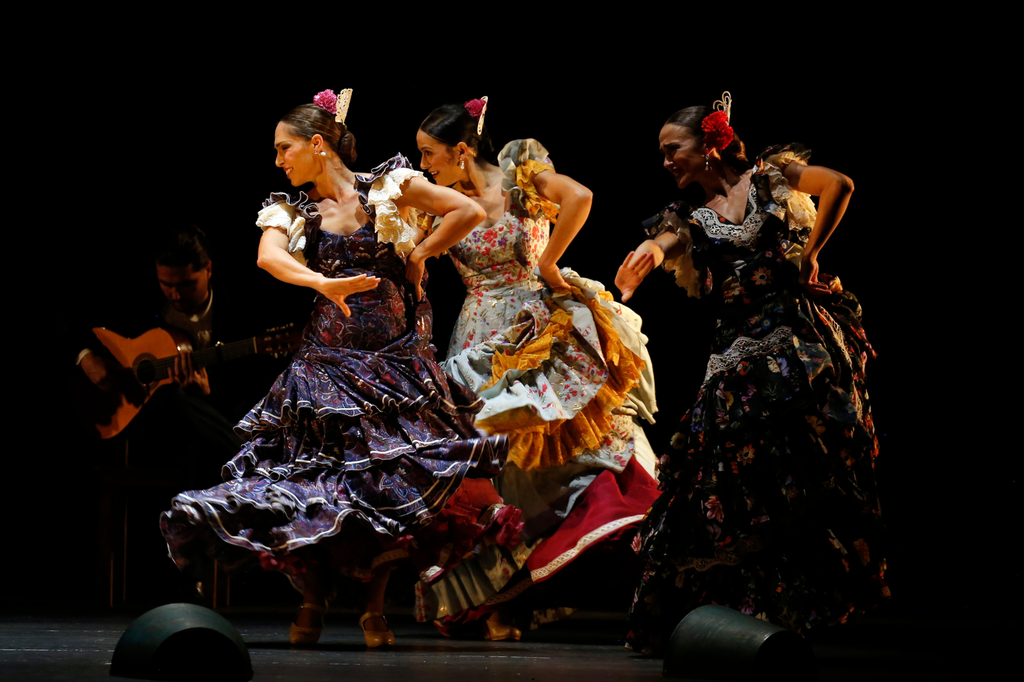
This educational project, conceived by the Ballet Nacional de España and the Juan March Foundation, offers an overview of Spanish dance through the four forms that make it up. The first choreography, Miniaturas boleras, begins in the 18th century and explores the various styles of this school. The jota, the muñeira and the seguidilla form the essence of Alegoría folclórica, which gives way to El flamenco en la escena, three pieces that summarise the evolution of flamenco over the last century. This journey through Spanish dance culminates in a fourth choreography, Cuadro estilizado, which brings together the disciplines that gave rise to a more defined and essential form of dance in the 1920s.
Irene Tena and Estela Alonso, soloists
Irene Correa, Noelia Ruiz, Laura Vargas, Cristina Aguilera, Sou Jung Youn, María Martín, Álvaro Gordillo, Manuel del Río, Diego Aguilar, Axel Galán, Juan Berlanga and Javier Polonio, corps de ballet
Gabriel de la Tomasa, flamenco singer
Víctor Tomate and Enrique Bermúdez, guitars
Roberto Vozmediano, percussion
Olga García (AAE), lighting
Pablo Martín Caminero, double bass and musical direction (guest musician)
Antonio Canales, texts
Madrid Fundación Juan March
Madrid Fundación Juan March