Select your language

Saltar al contingut Saltar a la navegació Informació de contacte
In memory of José Granero
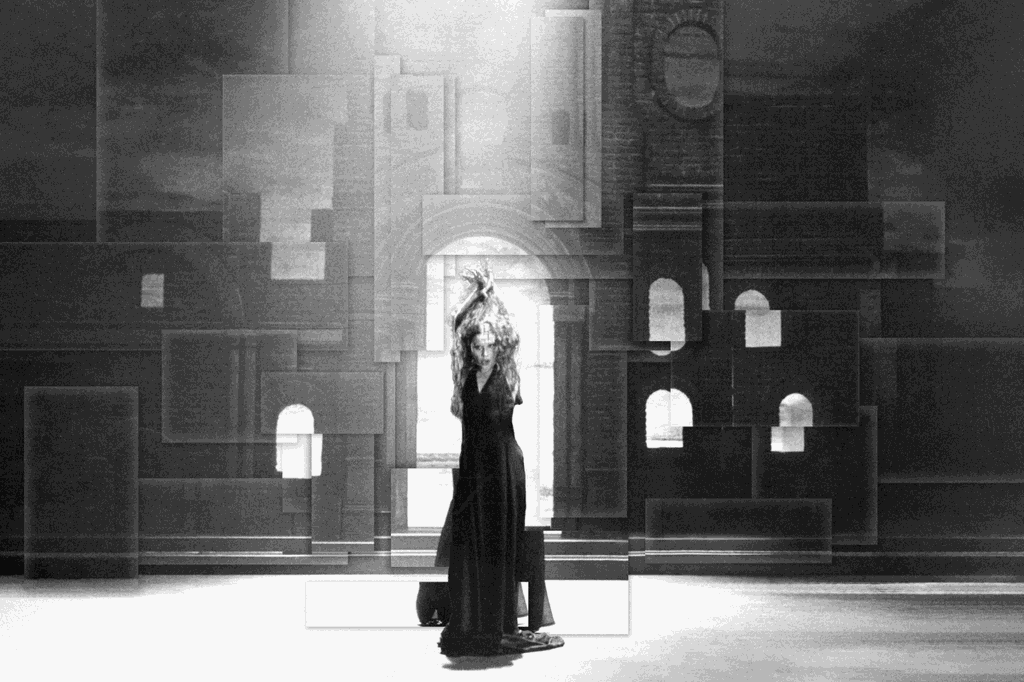
Medea
Madrid
Madrid
Madrid
Madrid
Madrid
Four of Granero’s iconic choreographies and three new creations to celebrate the Maestro’s legacy and confirm that the seed sown by our predecessors has taken root. A tribute to honour the heritage we have inherited and to enjoy timeless works that will move 21st-century audiences.
A couple in love choses passion as a mean to develop their relationship, what leads them to hostility, despair and loneliness.
Segunda piel consists of three sonatas that represent a journey through my life. The first depicts the vigour of youth, the early years of a dancer striving for success. The second expresses the passage of time and the constant process of learning. In the third, I show the dancer’s maturity, experience, knowledge, and personal and artistic evolution. My story is made up of experiences and feelings. All the changes I have undergone throughout my life are etched on my skin, and they are what make me who I am.
Miguel Ángel Corbacho
The muleteer is an eternal traveller, a wanderer who traverses the roads, leaving the imprint of his passage behind. He carries not only loads, but also stories, scents and memories, immersing himself in the traditions and unique character of every place he passes through. In this constant coming and going, in this communion with the road and the land, he finds the true meaning of his existence.
Eduardo Martínez
The main inspiration is the work of Antonio José Martínez Palacios, in this case a rondo. I have titled it En algún lugar because this piece seeks to pay respectful homage to his legacy and the mark he has left on the music and culture of this country. In a way, it questions where his legacy and his work stand today; whether they receive the recognition they deserve. I believe he is being unjustly forgotten; just like his body, because he was shot and is buried in a mass grave.
Marco Flores
The 1920s. A young woman marries a widower with four children. Her advanced ideas are frown upon by society and she will have to deal with all sorts of comments. However, a breath of fresh air will appear in her life as she finds true love.
The shapes, movements and lines of this choreography caress the notes once composed by Ravel, blending the purest classical Spanish style with the essence of flamenco dance. The Art Nouveau-inspired set, featuring mirrors that reflect the beautiful silhouettes draped in silk of vibrant hues, contrasts with the austerity of the leather in the men’s costume.
Medea, a witch, magician, descendent of Helios, betrayes her father and her race, killing her brother and helping the Greek adventurer Jason, who she loves, to get the Golden Fleece.
Fugitives from the pursuit of Medea´s father, she and Jason live with their two children in Corinto, where the old Creonte is king. Creonte has an only beautiful daughter, Creusa, who is offered to be the wife of Jason. He agrees to marry her and disavows Medea. To Medea, eaten up with jealousy, there can be no justice, only a raging revenge. Here begins the long night of Medea.
Spanish National Ballet
Director: Rubén Olmo
Madrid Symphony Orchestra
Musical Director: Manuel Coves
Legend (Chronicle of an Unconsummated Love)
Choreography: José Granero
Music: Isaac Albéniz (existing), José Luis Greco (original)
Musical arrangements: José Luis Greco
Set design: José Granero
Set adaptation: BNE Technical Department
Costumes: José Granero
Lighting: José Granero
Lighting adaptation: Felipe Ramos
Costume production: Toni Benítez-González
Footwear: Gallardo
Cast:
Débora Martínez (16th, 19th) Miriam Mendoza (17th, 18th)
José Manuel Benítez
SOLOS
Segunda piel (16th and 18th)
Choreography: Miguel Ángel Corbacho
Music: Domenico Scarlatti Sonata in D minor, K. 1, Sonata in D minor, K. 32 I. Aria, Sonata in D minor, K. 141.
Lighting: Juan Cornejo
Costumes: Yaiza Pinillos
Cast:
Miguel Ángel Corbacho, dancer
Juan Carlos Garvayo, piano
Arrieiro (17th and 19th)
Choreography: Eduardo Martínez
Music: Anuncio (Folk); Gerardo Gombau Escena y danza charra; Cantar do arrieiro (Folk); Joaquim Nin Culmell 48 tonadas. Muñeira (Galicia), Canción del labrador (León)
Lyrics: Cabanillas (Gerardo Gombau Escena y danza charra)
Lighting: Olga García
Costumes: BNE Collection
Cast:
Eduardo Martínez, dancer
Juan Carlos Garvayo, piano
Xurxo Fernandes, vocals and percussion
Roberto Vozmediano, percussion
Tales of the Guadalquivir (Pas de deux)
Music: Joaquín Turina, Sinfonía Sevillana
Costume design: José Granero
Set design: José Granero
Libretto: José Granero
Lighting: José Granero
Costume production: Tony Benítez, Peris, González
Set construction: Enrique López
Footwear: Gallardo
Cast:
Miriam Mendoza, Matías López (16th, 19th)
Débora Martínez/Carlos Sánchez (17th and 18th)
Bolero
Choreography: José Granero
Music: Maurice Ravel (existing)
Costumes: José Granero
Set design: José Granero
Lighting: José Granero
Lighting adaptation: Felipe Ramos
Costume design: Ana Lacoma
Cast:
Inmaculada Salomón
Eduardo Martínez (16th, 18th) Carlos Sánchez (17th, 19th)
Medea
Choreography: José Granero
Music: Manolo Sanlúcar
Set design: Andrea D’Odorico
Costume design: Miguel Narros
Lighting: Freddy Gerlache
Lighting adaptation: Felipe Ramos
Libretto: Miguel Narros (ballet adaptation) based on the play of the same name by Seneca
Cast:
Medea
Eva Yerbabuena, guest artist (16th, 17th and 18th)
Maribel Gallardo, special guest (19th)
Special guest:
Currillo de Bormujos
Lupe Gómez
Guest musicians:
Juan Carlos Romero, flamenco guitar
Paco Jarana, flamenco guitar (16th, 17th and 18th)
Enrique Bermúdez, flamenco guitar (19th October)
Agustín Diassera, flamenco percussion
Madrid Teatro Real
Madrid Teatro Real
Madrid Teatro Real
Madrid Teatro Real
Madrid Teatro Real