Select your language
Saltar al contingut Saltar a la navegació Informació de contacte

Afanador
Rome
Rome
St. Pölten (Austria)
St. Pölten (Austria)
Bruges (Belgium)
Cannes (France)
Cannes (France)
Grenoble (France)
Grenoble (France)
Grenoble (France)
Aix-en-Provence (France)
Aix-en-Provence (France)
Aix-en-Provence (France)
Santander
París (France)
París (France)
París (France)
París (France)
París (France)
París (France)
París (France)
Pamplona
Ludwigsburg (Germany)
Ludwigsburg (Germany)
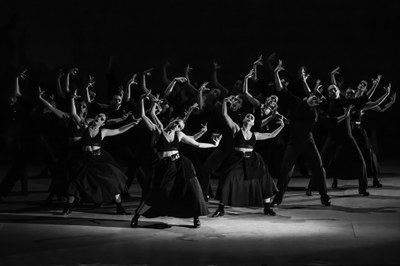
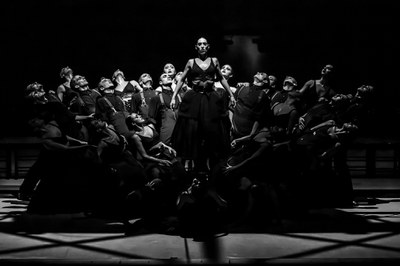
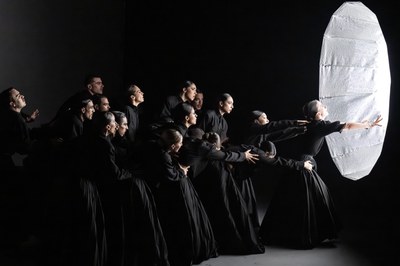
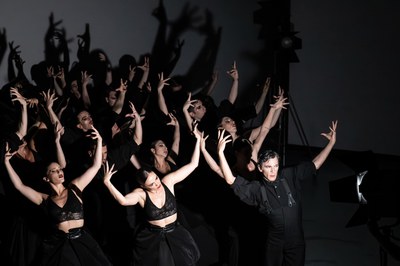
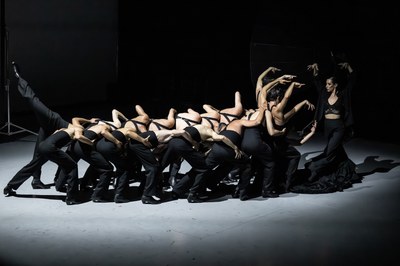
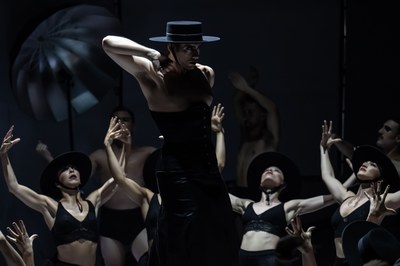
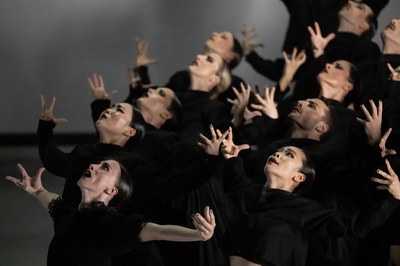
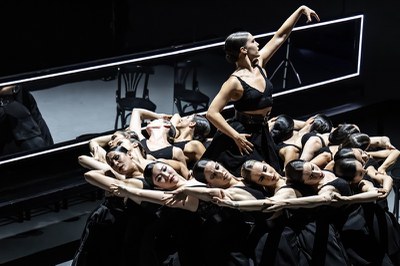
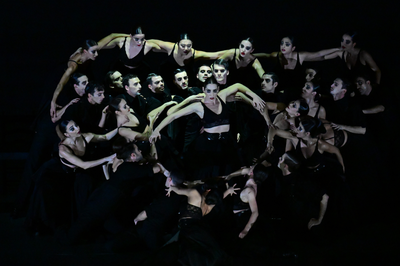
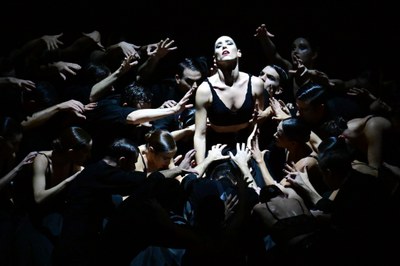
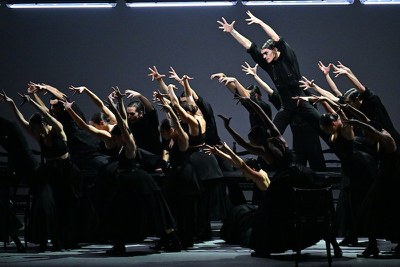
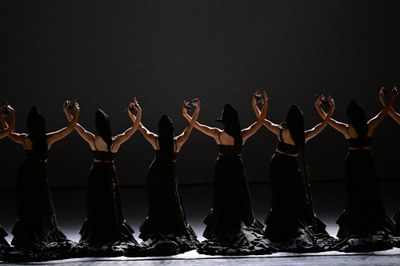
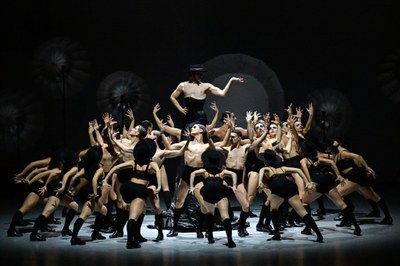
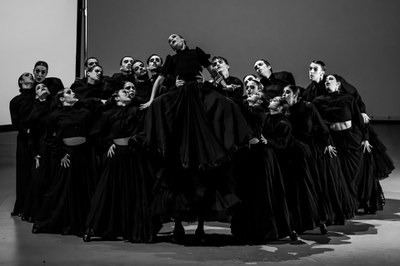
A production inspired by the imagination of Ruven Afanador. World premiere at the Teatro de la Maestranza in Seville on 1 December 2023, performed by the Spanish National Ballet.
A show inspired by the imagination of Ruven Afanador.
Inspired and captivated by the books Ángel Gitano and Mil Besos, I could not simply content myself with copying such beauty. Ruven Afanador’s masterful photo shoots in Andalusia are one-of-a-kind: the alchemy that took place there between the photographer and such charismatic figures as Israel Galván, Matilde Coral, Eva Yerbabuena, José Antonio and Rubén Olmo himself is truly unique.
My journey begins where those sessions end, and when I finish dreaming of them, unable to recall the full details or subject them to a logic that has been lost along the way, the urge to awaken emerges.
Afanador emerges from the tension between the fascination emanating from Ruven Afanador’s photographs and my own fascination with all the mystery—so diurnal and yet so nocturnal—that once captivated Ruven.
I studied photography and am the grandson of a photographer. Although I never pursued photography professionally, it was always very much present in my work as a creator of worlds and a stage director. Through his impressive work in staging and evoking the image, Ruven Afanador has prompted me to reflect on the vital kinship between photographic and choreographic composition: the carnal challenge that is, in both, to capture life – that which, by definition, cannot be captured.
Ruven Afanador views flamenco through a distorting lens, made of dreams, desire and memory. If the elements of tradition are by definition reassuring, what happens when they become strange and unrecognisable? Afanador’s surrealist view of flamenco is very similar to the view of the world that has nourished my work over the years at the helm of La Veronal: not to represent the world that exists, but to invent a new one.
Speaking of cinema, Estrella de Diego, whom I quote freely, said: “One should enter the darkened auditorium without premeditation, with the film already underway, without knowing the programme in advance, carried along by chance. One should sit down, surrender to the senses without preparing them, without directing them through opinions or synopses. One should go to the cinema in search of something other than the story being told. To know that in cinema, as in life, one always ends up identifying with oneself, never with the character or the plot”.
I would like people to come and see us in this way, as in certain dreams, where we recognise the places, the people, the landscapes and, without fully understanding what is happening to them, we know that they speak of us.
Marcos Morau
Inspired and fascinated as I was with the books Ángel Gitano and Mil Besos, when it came to putting together this show, I knew it could never be an attempt merely to copy the beauty therein. Ruven Afanador’s masterful photo sessions in Andalusia are unrepeatable: it would be impossible to repeat the alchemy that formed between the photographer and figures with such charisma as Israel Galván, Matilde Coral, Eva Yerbabuena, José Antonio and the BNE’s very own Rubén Olmo.
My journey begins where those sessions end, and when I stop dreaming about them, unable to remember the full details or to subject them to a logic that has become lost along the way, that is when I find myself overcome by the desire to wake up.
Afanador is born out of the tension between the fascination that emanates from Ruven Afanador’s photos and my own fascination for mystery, both of the day and the night, that so fascinated Ruven in his day.
I studied photography and am the grandson of a photographer. Although I never took up photography professionally, it has always been very present in my work as a set director and creator of worlds. With his incredibly meticulous staging and evocative images, Ruven Afanador has forced me to reflect on the fundamental kinship between photographic and choreographic composition: the corporeal challenge shared by both: to capture life – that which, by definition, does not allow itself to be captured.
Ruven Afanador observes flamenco through a lens that is deforming, a lens made of dreams, desire and memories. If the elements of tradition are reassuring by definition, what happens when they become strange and unrecognisable? The surrealist gaze of Afanador towards flamenco is very similar to the gaze towards the world that has developed in my work over the years with La Veronal: one that tries not to represent the world that exists, but rather to invent new ones.
When asked about cinema, Estrella de Diego, whom I paraphrase, said: “One must enter that dark space without premeditation, with the film already having started, but without knowing beforehand what is being shown, dragged along by chance and fortune. One must sit down and abandon oneself to one’s senses without preparation, and the senses must not have been guided via opinions or synopses. One must go to the cinema in search of something other than the story that is being told. One must know that in the cinema, as in life, one always ends up identifying with oneself, and never the character or the plot.”
I would like people to come to see us in that frame of mind, as in certain dreams where we recognise places, people and landscapes – and without understanding the specific events, we know that they are really about us.
Marcos Morau
Concept and artistic direction: Marcos Morau
Choreography: Marcos Morau & La Veronal
Lorena Nogal
Shay Partush
Jon López
Miguel Ángel Corbacho
Dramaturgy: Roberto Fratini
Set design: Max Glaenzel
Set construction: Mambo Decorados and May Servicios para Espectáculos
Costume design: Silvia Delagneau
Costume production: Iñaki Cobos
Music composition: Juan Cristóbal Saavedra
Special collaboration: Maria Arnal
Lighting design: Bernat Jansà
Electronic device design and production: José Luis Salmerón of CUBE PEAK
Audiovisual design: Marc Salicrú
Photography: Ruven Afanador
Pastry: Carmela Cristóbal
Headpieces: JuanjoDex
Hair consultant: Manolo Cortes
Make-up consultant: Roció Santana
Footwear: Gallardo
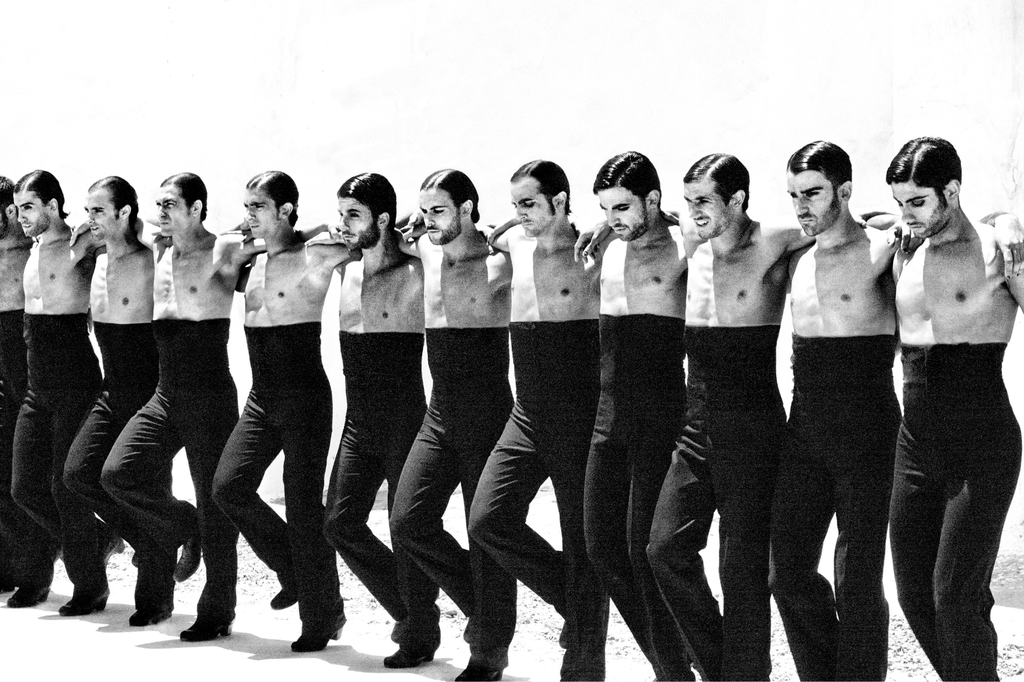
Ruven Afanador’s gaze is not documentary: it does not present history with an archive of events, styles or personalities. Nor is it monumental: it does not seek to recreate a glamorous, photogenic image of its subject. Afanador’s gaze is one of desire: it distorts its subject, and allows itself to be distorted by it. The object of desire – as Buñuel and the Surrealists had intuited – is obscure by definition. Desire makes us ignorant, inexperienced, incompetent, because to desire is to fix one’s gaze on what flees, to focus on a disappearance. Desire composes its object, and sometimes invents it, so long as it can continue to observe it. And thus it produces another kind of knowledge: subjective, infallible and revealing. The object betrays itself before the eyes, and betrays them in turn.
Approaching the multiverse of Andalusian folklore through desire, Afanador compels it to reveal itself, and it does. As if dreaming of it, he allows the slips of the tongue, the delusions, the subconscious of flamenco to surface, its drives of Eros and death, its undocumented truths. He unravels it into a thousand amplifications, like a grotesque and sumptuous world, an unthinkable body of shadow and light. As he gazes into the abyss of flamenco, he allows himself to be gazed upon by it.
Our work is merely another link in this genealogy of dreams and desire: it recounts (or betrays) the gaze of Ruven Afanador as he looks at his models. And it speaks of photography as a breathtaking unfolding of the world within the eyes. There is no plot: there is only whim, as in Goya’s memorable series of prints: familiar themes and recognisable gestures, like masked characters from a troupe of ‘motifs’, come together in the images, as if calling out to one another, through association, analogy, attraction; or through a wild game of metamorphosis, both angelic and diabolical: the caprices speak of nothing other than the image as miracle and coven.
There is no photograph that is not suspended by a sigh, or a thousand and one kisses, from the fire that burns the image.
Roberto Fratini Serafide
Rome Romaeuropa Festival. Rome Opera House
Rome Romaeuropa Festival. Rome Opera House
St. Pölten (Austria) Festspielhaus St. Pölten (Main Hall)
St. Pölten (Austria) Festspielhaus St. Pölten (Main Hall)
Bruges (Belgium) Europalia. Concertgebouw
Cannes (France) Palais des Festivals et des Congrès de Cannes - Grand Auditorium
Cannes (France) Palais des Festivals et des Congrès de Cannes - Grand Auditorium
Grenoble (France) Maison de la Culture
Grenoble (France) Maison de la Culture
Grenoble (France) Maison de la Culture
Aix-en-Provence (France) Grand Théâtre
Aix-en-Provence (France) Grand Théâtre
Aix-en-Provence (France) Grand Théâtre
Santander Palacio Festivales
París (France) Théâtre du Châtelet
París (France) Théâtre du Châtelet
París (France) Théâtre du Châtelet
París (France) Théâtre du Châtelet
París (France) Théâtre du Châtelet
París (France) Théâtre du Châtelet
París (France) Théâtre du Châtelet
Pamplona Baluarte
Ludwigsburg (Germany) Ludwigsburger Schlossfestspiele. Forum am Schlosspark, Ludwigsburg
Ludwigsburg (Germany) Ludwigsburger Schlossfestspiele. Forum am Schlosspark, Ludwigsburg